

Roof Cleaning in Michigan: Best Seasons to Remove Algae and Moss in Traverse City, MI
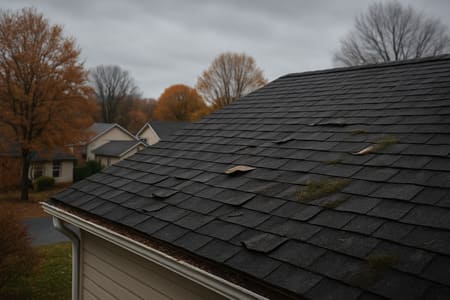
If you look up at your shingles and see dark streaks or green patches, timing your cleaning makes a big difference. In our part of Northern Michigan, choosing the right season helps remove growth safely and keeps it from bouncing back fast. Here’s a clear, local guide to when Traverse City homeowners should schedule professional service and why it matters.
For details on the process and what to expect, you can explore professional roof cleaning with Timeless Window Cleaning, LLC.. We use methods suited to delicate shingles and Northern Michigan’s changing weather.
Why Timing Matters in Northern Michigan
Even though your home is your own business, your neighbors may also want to ensure that your property looks clean. When one home on a street looks unkempt and poorly maintained, it can actually decrease the overall value of the whole neighborhood. Your neighbors may start to complain about your home affecting property values, and you don't want to get on their bad side, so it's wise to contact a reliable pressure washing company sooner rather than later.
- Warm but mild weather lets cleaning solutions dwell and rinse evenly without scorching or flash-drying.
- Stable, above-freezing temps protect shingles, gutters, and landscaping during the rinse phase.
- Lower pollen and leaf drop reduce fresh debris that can feed new growth.
Spring Roof Cleaning: Pros and Cons
Late spring in Traverse City, after the chill lifts and before summer heat ramps up, is a sweet spot. Daytime highs typically rise enough for a thorough rinse, and you’ll head into summer with a clean roof.
Pros: Spring cleaning clears winter grime and makes your home look great for the bright months ahead. It also removes early moss before summer storms push moisture under shingle edges.
Cons: Heavy spring pollen and seed pods can return right after a cleaning, especially near maples and pines. If your roof sits under big trees in areas like Central Neighborhood or Long Lake, aim for late spring once peak pollen has dropped.
- Best fit: Homes with winter staining, light moss, or roofs that see lots of summer sun.
- Schedule signal: Consistent highs well above freezing and lighter pollen days on your block.
Fall Roof Cleaning: Pros and Cons
Early fall is the other prime window. Temperatures are mild, and cleaning before winter means the roof enters the cold season free of sponge-like moss that traps water.
Pros: Removing growth before freeze cycles helps shingles lie flat and drain well. It also cuts down on black streaks that would set through winter.
Cons: Leaf drop can be heavy in spots like Slabtown and around Boardman Lake. You may need a quick gutter check after nearby trees finish shedding. Plan cleaning before the first sustained freeze so rinsing stays safe and even.
Freeze/Thaw Risks on Shingles
In Northern Michigan, water expands when it freezes and contracts when it thaws. Moss and heavy lichen hold that water like a sponge. As temperatures bounce around, expansion can lift shingle edges and strain seal tabs. Over time this invites wind-driven rain and ice to creep in. Clearing growth before the season of frequent freeze/thaw cycles reduces that stress on your roof.
Important: Avoid high-pressure blasting on shingles. It can remove protective granules and shorten a roof’s life. A soft wash approach is designed for shingle safety.
How Long Until Stains Return?
There is no one-size-fits-all timeline because every property is different. In the Traverse City area, many cleaned roofs stay clear for multiple seasons, while heavy shade, dense trees, and nearby water can shorten that window. Typical ranges look like this:
- Open-sun, low-tree lots: Streaks may take several years to reappear.
- Mixed sun and shade: Light staining may return in 1–2 years.
- Dense canopy or lakeshore humidity: New growth may show sooner without ongoing maintenance.
Pairing your cleaning with protected drainage helps. If you battle heavy leaf fall or pine needles, consider whether gutter guards in Traverse City make sense for your home’s trees and roof pitch.
Spring vs. Fall: How to Choose the Best Season
Both seasons work well here. The better pick depends on your home’s exposure and how the roof performed last winter or summer.
Pick spring if: winter left grit and streaks, you want a fresh look before peak outdoor season, or you saw only light moss. You’ll benefit from longer daylight and stable rinsing weather.
Pick early fall if: you saw thicker moss or lichen, your roof holds shade and dew, or you want a clean roof heading into freeze/thaw. Fall cleanings help keep shingles from holding moisture through winter.
Neighborhood and Microclimate Factors
Traverse City is full of microclimates. North-facing slopes in Old Mission Peninsula and tree-lined streets around Central Neighborhood stay damp longer. Lake breezes near West Bay can push fine debris into valleys and around penetrations. If your home sits below tall pines in areas like Traverse Heights or parts of Long Lake Township, needles and shade make spring and fall cleanings especially valuable. A local technician who sees these patterns daily will anticipate where algae starts and tailor the rinse for valleys and dormers.